Basketball Club Teams in San Diego and the Search for the Right Fit
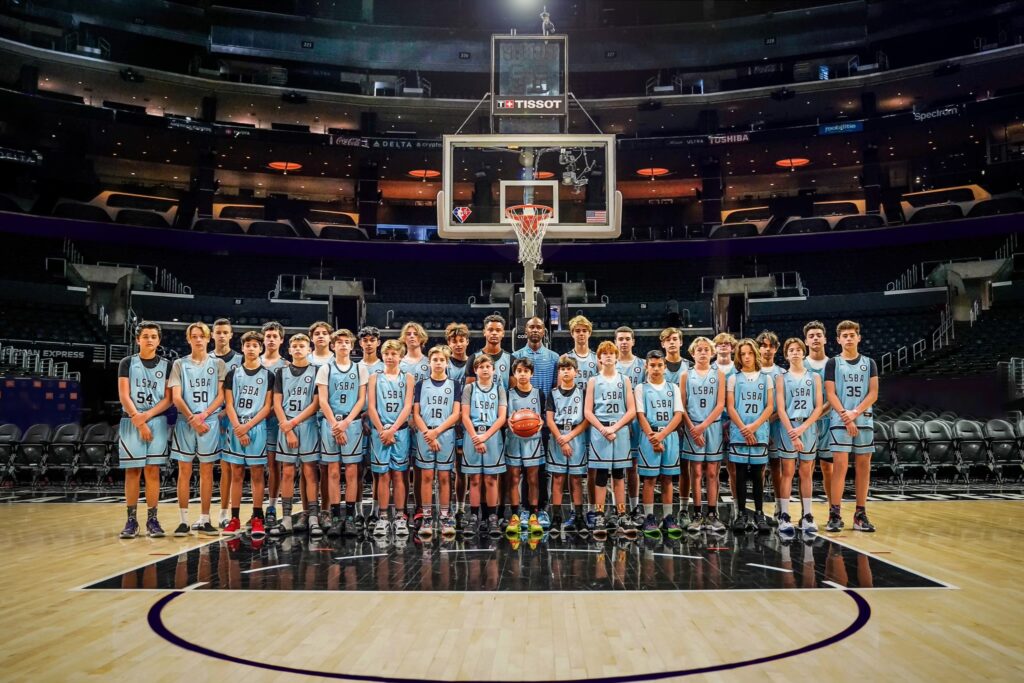
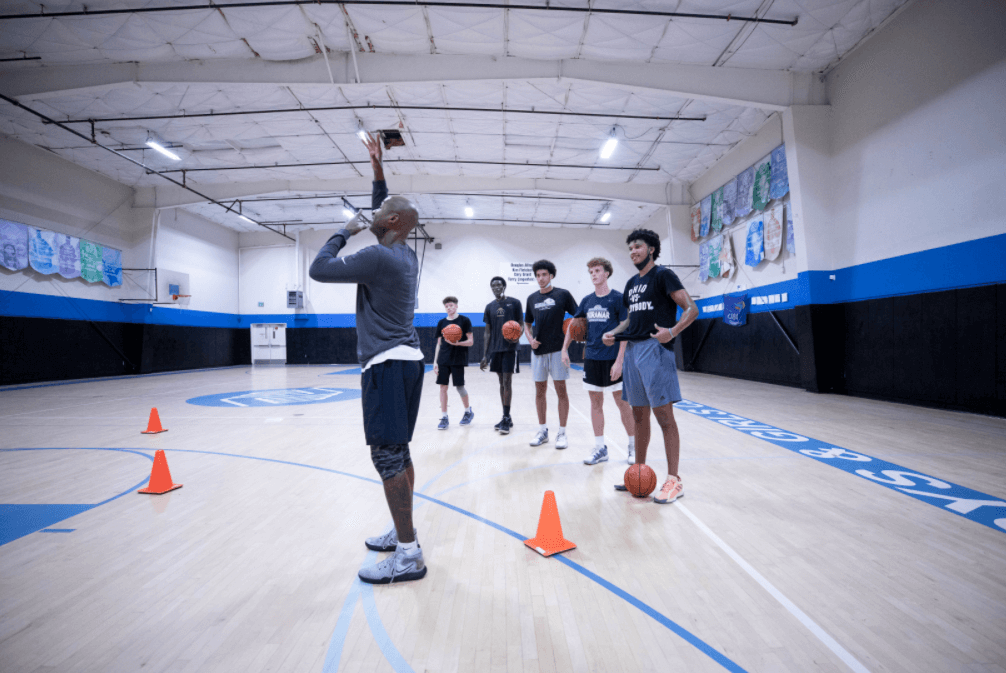
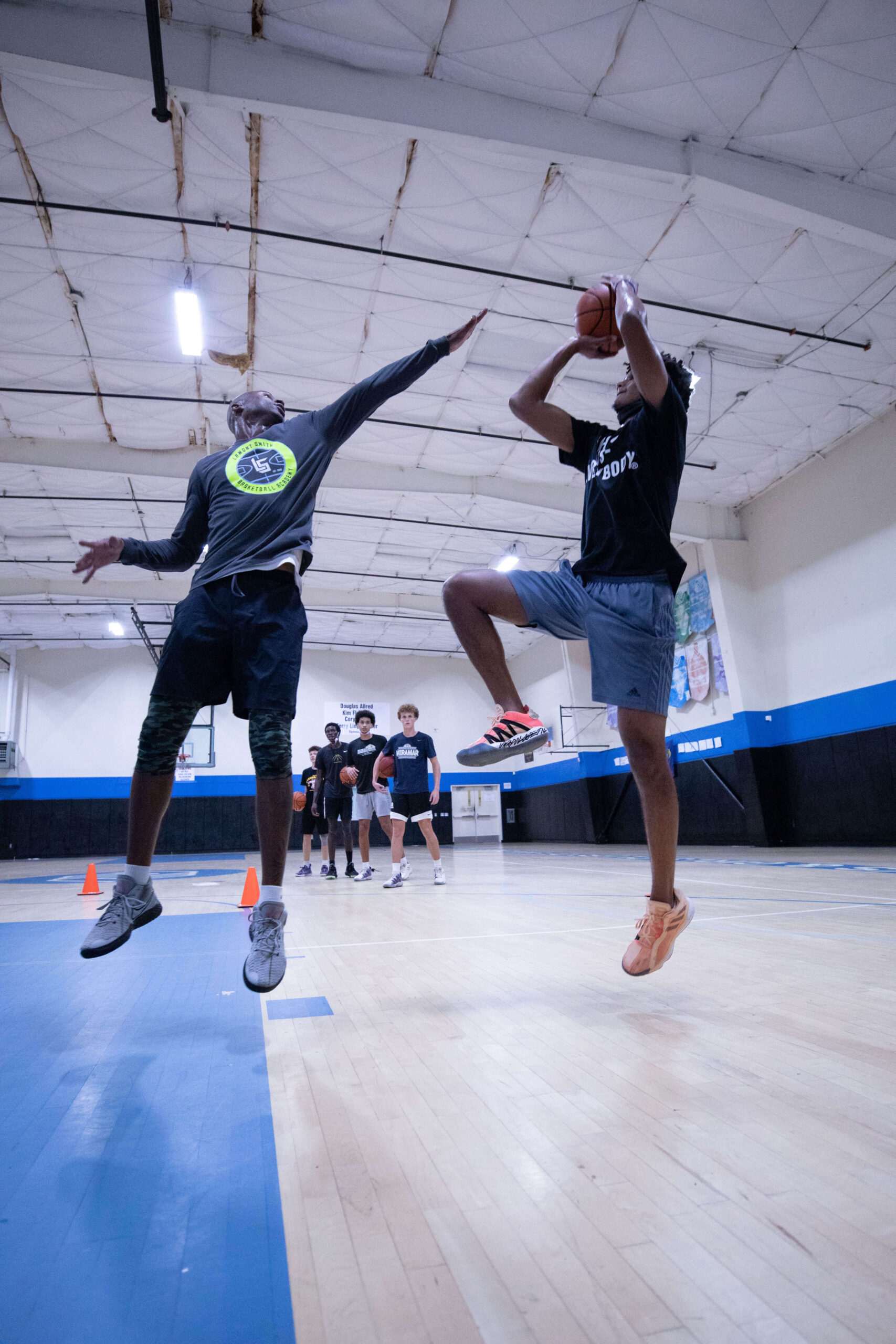
San Diego has never had a shortage of basketball ambition. You see it in packed middle school gyms on weeknights, in outdoor runs that still draw a crowd after sunset, and in parents driving across the county for a 7:30 p.m. Practice because their son or daughter wants more than a recreational season. For families trying to sort through Basketball Club Teams San Diego offers, that energy can feel exciting at first, then overwhelming in a hurry.
Club basketball sits in a complicated space. It can sharpen skills, expose players to stronger competition, and create a setting where growth comes faster than it often does in a local rec league. It can also become expensive, time-consuming, and mismatched if a family signs on for the wrong reasons or joins a team that does not suit the player. The challenge is not simply finding a club team. The challenge is finding the right environment for the age, goals, personality, and current ability of the athlete.
That distinction matters more than many families realize.
Why the “best team” is not always the best fit
Parents new to club basketball often begin with the same question: which program is the best in San Diego? It sounds sensible, but it usually leads people in the wrong direction. The stronger question is more specific. Best for what? Best for a late-blooming eighth grader who needs repetitions and confidence is not the same as best for a varsity starter chasing college exposure. Best for a point guard who needs freedom to create is not the same as best for a post player who needs structure and patient teaching.
I have seen talented players stall out on high-profile rosters because they joined a team built to win immediately rather than develop everyone in the gym. I have also seen players thrive in smaller programs because a coach taught footwork properly, demanded defensive habits every practice, and gave them enough game reps to make mistakes without being yanked after one turnover.
The search gets easier once families accept a simple truth: visibility matters, but development matters first. A player who improves in decision-making, pace, body control, shooting mechanics, and defensive consistency becomes recruitable later. A player who sits on a “name” team and touches the ball twice per quarter often does not.
San Diego’s basketball landscape has real variety
One reason the search feels difficult is that San Diego basketball is not one single scene. It is a patchwork of neighborhoods, school districts, travel patterns, and club philosophies. North County families may look at options differently than families in East County or South Bay. A practice that sounds manageable on paper can become a grind when traffic on Interstate 5 or 805 turns a 25-minute drive into nearly an hour.
That matters because sustainability matters. A club team is not just a logo on a jersey. It is two to four practices a week, weekend tournaments, training sessions, hotel nights for some events, missed birthdays, and a lot of meals eaten in the car. If the logistics strain the family every week, even a solid basketball situation can become a bad fit over time.
San Diego also has a broad range of player levels. Some clubs are built around elite travel and highly competitive tournament schedules. Others occupy the middle ground, where the focus is preparing athletes for strong high school seasons. Still others appeal to players who want a more serious alternative to rec ball without diving into a fully demanding travel calendar. The mistake is assuming all club teams offer roughly the same experience. They do not.
What families should actually evaluate
When people compare teams, they often focus on superficial markers. Uniforms. Social media clips. How many tournaments the team plays. Whether the gym looks polished. Those details are not meaningless, but they are not what shape a player.
The more useful questions are about teaching, role clarity, competition level, and honesty. Does the coach teach with precision, or mostly shout broad commands? Does practice include skill breakdowns, advantage situations, and game-like reads, or does it lean heavily on lines and speeches? Are players told the truth about their role and path to minutes? Is the team schedule tough enough to stretch the group without burying confidence?
A good club environment usually shows itself in ordinary moments. The practice starts on time. Assistants are engaged rather than standing with crossed arms. Corrections are specific. Players know where to go and why they are doing a drill. The coach notices details like spacing, jump stops, weak-hand finishes, low-man help, and transition communication. That level of attention tends to translate into real improvement.
By contrast, a weaker environment often reveals itself through chaos. Kids stand around. Scrimmages run long without teaching points. The loudest player gets the most freedom. The coach talks a lot about exposure but not much about habits. Parents hear promises that sound flattering, but nothing is pinned to concrete development.
The age of the player changes everything
One of the biggest mistakes families make is treating fourth grade club basketball and eleventh grade club basketball as if they serve the same purpose. They do not.
At the younger levels, development should dominate the conversation. Skill acquisition, confidence with both hands, body balance, movement quality, and joy for the game matter far more than collecting weekend medals. If a youth team presses full court all game and wins because the players are more physically advanced, that may look impressive in the moment. It often teaches very little. The same goes for offenses that put one dominant ball handler at the center of every possession while everyone else watches.
By middle school, the evaluation gets a little more nuanced. Competition level begins to matter more. Players should learn how to defend stronger athletes, play through contact, and make decisions at game speed. At the same time, they still need enough touches and enough permission to develop. A seventh or eighth grader who is permanently parked in the corner because it helps the team win one more tournament game is not necessarily being prepared for high school basketball.
High school players live in a different reality. Fit now includes exposure opportunities, schedule quality, coach relationships, and role alignment with college aspirations. But even at that stage, families can overrate visibility and underrate progress. College coaches still respond to players who can really play. They value size and athleticism, yes, but they also notice timing, competitiveness, decision-making, defensive consistency, and how a player moves without the ball. Those habits are usually built in the gym long before they show up in front of a recruiter.
Playing time is not a dirty subject
Many parents hesitate to ask about playing time because they do not want to sound entitled. That instinct is understandable, but avoiding the issue helps no one. The key is to ask the right way.
No coach can honestly guarantee minutes in a competitive club setting, and families should be wary of anyone who does. But coaches should be able to explain how they think about rotation decisions, how many players they typically carry, what a player would need to earn more court time, and whether the team is development-heavy or result-heavy.
There is also a major difference between temporary adversity and chronic mismatch. If a player is fighting for minutes on a team where the practices are excellent and the competition is pushing growth, that can be healthy. If the player rarely gets game reps, receives little feedback, and comes home unsure why they are there every weekend, that is usually not a growth situation. It is just a poor fit.
I have seen players improve dramatically after moving from a deeper, flashier roster to a slightly lower-profile team where they handled the ball more, defended lead guards, and had to make reads under pressure. Their confidence rose because their responsibility rose. That is not true for every athlete, but it is common enough that families should take it seriously.
The hidden cost of club basketball
Everybody understands the direct costs. Tuition, tournament fees, uniforms, shoes, travel, gas, meals. Those numbers add up quickly in Southern California, especially for families with more than one athlete.
The hidden costs are easier to miss. Fatigue is one. A player who practices with a high school team, trains individually, attends strength sessions, and plays every weekend can hit a wall physically or mentally. Academic strain is another. So is social strain. Teenagers need room to breathe, and a packed sports calendar can narrow life in ways that are not always obvious at first.
There is also the cost of the wrong basketball message. If a club program feeds the idea that every possession should end in a highlight or that college recruitment is guaranteed if a family just spends enough money, that message can distort a player’s relationship with the game. The healthiest programs usually combine ambition with honesty. They push hard, but they keep the work tied to reality.
Watching a practice tells you more than watching a tournament
Tournament basketball can be deceptive. Some teams look sharp in a single game because they have a physically mature guard or one big who overwhelms the other side. Some coaches also become very different people during tournaments, especially when parents are watching in numbers.
Practice is where the truth shows up.
If you are evaluating Basketball Club Teams San Diego families are considering, ask to watch an entire practice if the program allows it. Not ten minutes. The full session. You want to see tempo, teaching, organization, and player engagement over time.
Here are a few things worth paying attention to:
- How much of practice is active, purposeful work versus waiting around.
- Whether coaches teach details or only react to mistakes after they happen.
- How players respond to correction, with focus, fear, or indifference.
- Whether weaker players are coached with the same care as top performers.
- If the drills resemble real game decisions rather than empty movement.
A gym can be loud and intense while still being productive. It can also be loud and intense while teaching very little. Families who learn to spot the difference make better decisions.
The coach-player relationship matters more than branding
A strong coach does more than install plays. The coach creates standards, names problems clearly, and helps players connect effort to improvement. Young athletes need that structure. They also need credibility. Players can usually tell within a few weeks whether a coach sees them accurately or just labels them early and rarely revisits the judgment.
Good coaches evolve players’ identities. A kid who has always been called “just a shooter” learns to attack closeouts. https://zanderoixk517.lucialpiazzale.com/basketball-club-teams-san-diego-delivering-high-level-competition A post player improves footwork and passing angles. A small guard learns how to defend bigger matchups with positioning and anticipation. Development often looks like expansion. The player becomes more complete, not just more polished at the one thing they already do well.
This is where lived experience matters. Coaches who have spent years with youth and high school players tend to understand how uneven development can be. They know some athletes grow six inches late. Some become more assertive as sophomores. Some need a firmer voice, while others need calmer communication. Not every program can offer that level of nuance, but it is worth seeking.
Red flags that deserve attention
Not every concern means a family should walk away, but some patterns deserve real caution. If a program constantly overpromises exposure, talks more about merchandise than skill work, or changes rosters so often that no one seems rooted, pay attention. If communication is vague around fees, schedules, or expectations, that usually does not improve once the season starts.
The same is true of environments where every game becomes emotionally volatile. Passion is normal. Teaching hard is normal. Public humiliation is not. Neither is a culture where players spend the weekend terrified of making a mistake. Fear can create short-term compliance, but it rarely builds thoughtful, confident basketball.
One more red flag deserves mention: the team that plays too many games and practices too little. Young players often think more games equal more progress. Usually the opposite is true. If there is not enough deliberate practice, skill holes stay hidden until the competition gets better.
Different player types need different settings
Some athletes flourish in a deep, highly competitive roster where every practice feels like a challenge match. Others need a little more runway to grow into themselves. That is not weakness. It is fit.
A naturally assertive guard may benefit from a team where there is real competition for ball-handling reps because it sharpens decision-making and toughness. A quieter player with good instincts might need a coach who pulls confidence out of them deliberately. A raw but athletic forward may need a program willing to teach footwork and patience rather than expecting immediate polish.
Families sometimes choose based on aspiration alone. They pick the highest-level roster available and hope the player rises instantly. Sometimes that works. Often, a more strategic choice works better. Being stretched is useful. Being overwhelmed every week with no pathway to contribution is not.
Questions worth asking before committing
The most productive parent conversations with club directors and coaches are calm, direct, and practical. You are not trying to negotiate your child into a starring role. You are trying to understand the environment.
A short checklist helps:
- What does a typical month look like in practice frequency, tournaments, and travel?
- How many players are usually on the roster, and how is playing time approached?
- What is the coaching staff’s development focus for this age group?
- How do you communicate with families when concerns come up?
- What kind of player tends to thrive in this program?
The answers are often revealing. Strong programs usually respond with clarity, not sales language. They know who they are, who they serve, and what they can realistically provide.
The role of school basketball and personal training
Club basketball should not exist in isolation. The best choices usually account for the player’s school season, position needs, and current training gaps. A high school coach may want a player to improve on-ball defense, become more vocal, or handle pressure better. A club team that reinforces those needs can be valuable. One that uses the player in a completely static role may not help much.
Individual skill work also matters, but it should complement team play, not replace it. Players need both. Training can clean up mechanics, add footwork, and build confidence through repetition. Games and practices test whether those skills survive under stress, fatigue, and defensive pressure. Families get the best return when the coach, trainer, and player are all pushing in the same direction.
That does not require formal coordination. It simply requires common sense. If a player is already overloaded, adding more sessions is not always better. Sometimes the smartest decision is one less tournament and one extra recovery day.
What “right fit” tends to look like over time
You usually know a good fit not from one exciting weekend but from what happens across months. The player comes home tired, not defeated. They can explain what they are learning. Their weaknesses are being addressed, not hidden. Their confidence grows alongside accountability. They face real competition, but they still have a role that pushes them to think, react, and contribute.
Parents also feel the difference. Communication is clear. The calendar is demanding but manageable. Concerns can be raised without drama. The coach’s message stays consistent from practice to tournament play. Wins feel earned, losses become teaching moments, and development remains visible even when results are uneven.
San Diego offers plenty of basketball opportunity, and that is a gift. But opportunity by itself is not enough. Families searching through Basketball Club Teams San Diego has to offer do better when they move past hype and ask more disciplined questions. Who is teaching? How are players improving? What kind of role will this athlete have? Can the family actually sustain the commitment? Does this environment build the kind of player, and person, the athlete is trying to become?
Those answers matter far more than a polished social feed or a famous-sounding team name. The right fit is rarely accidental. It is found through observation, honest conversation, and the willingness to choose development over appearances when the two pull in different directions.
Lamont Smith Basketball Academy
888 Clairemont Mesa Blvd Suite T-2, San Diego, CA 92123
(619) 639-8778
FAQ About Basketball Club Teams San Diego
How can a player join an LSBA club team?
Players are evaluated during practices so the coaching staff can recommend an appropriate team and development level. Families should contact the academy to confirm current openings and evaluation details.
Are club teams available for newer basketball players?
Yes. LSBA describes multiple levels, including a developmental option for newer players as well as more competitive teams for athletes with prior club experience.
What do LSBA club team practices emphasize?
Practices emphasize basketball fundamentals, team defense, structure, communication, and player development. The specific focus may vary according to the team and experience level.
Do all LSBA teams travel?
Travel expectations vary by level. Some teams focus on local competition, while advanced teams may participate in tournaments elsewhere in Southern California or beyond. Families should confirm the current schedule before enrolling.