Basketball Club Teams in San Diego That Emphasize Sportsmanship
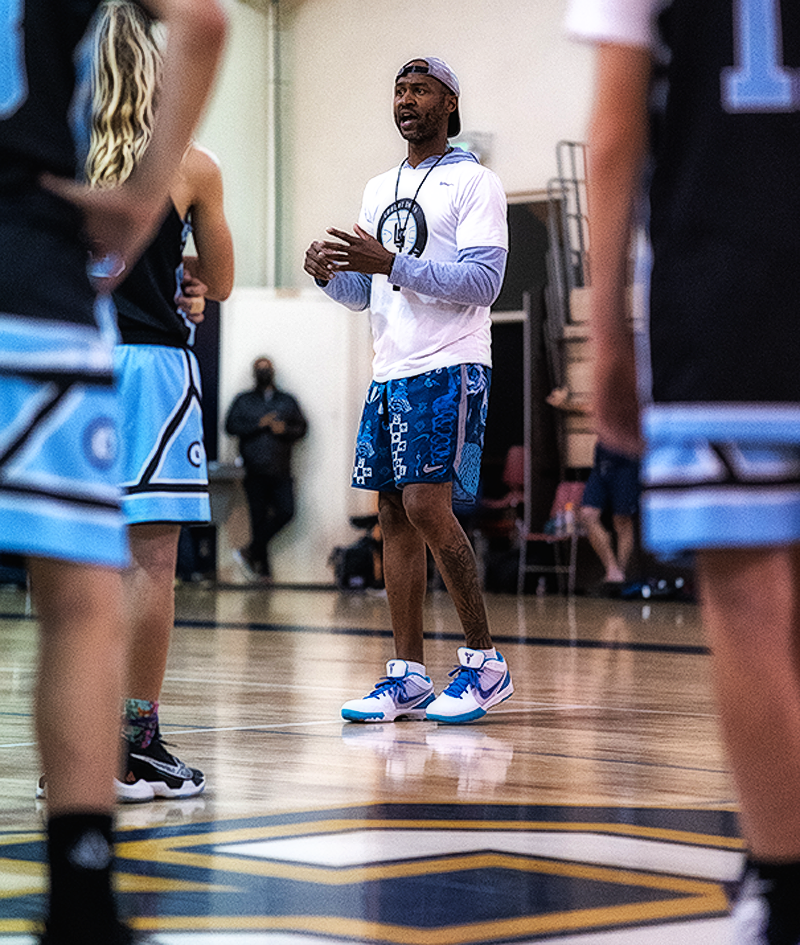
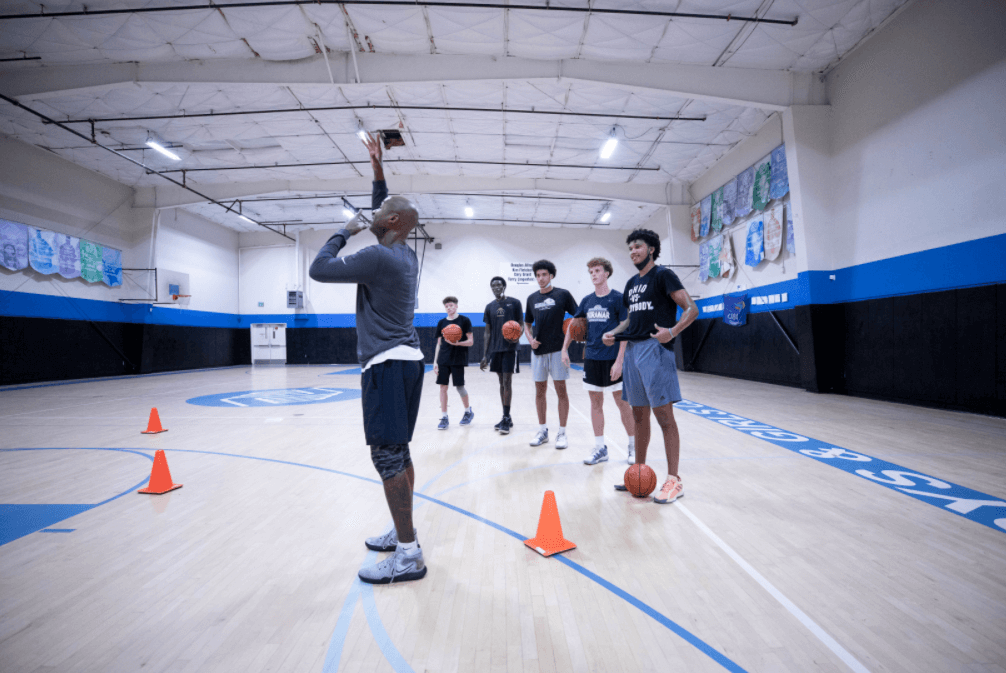
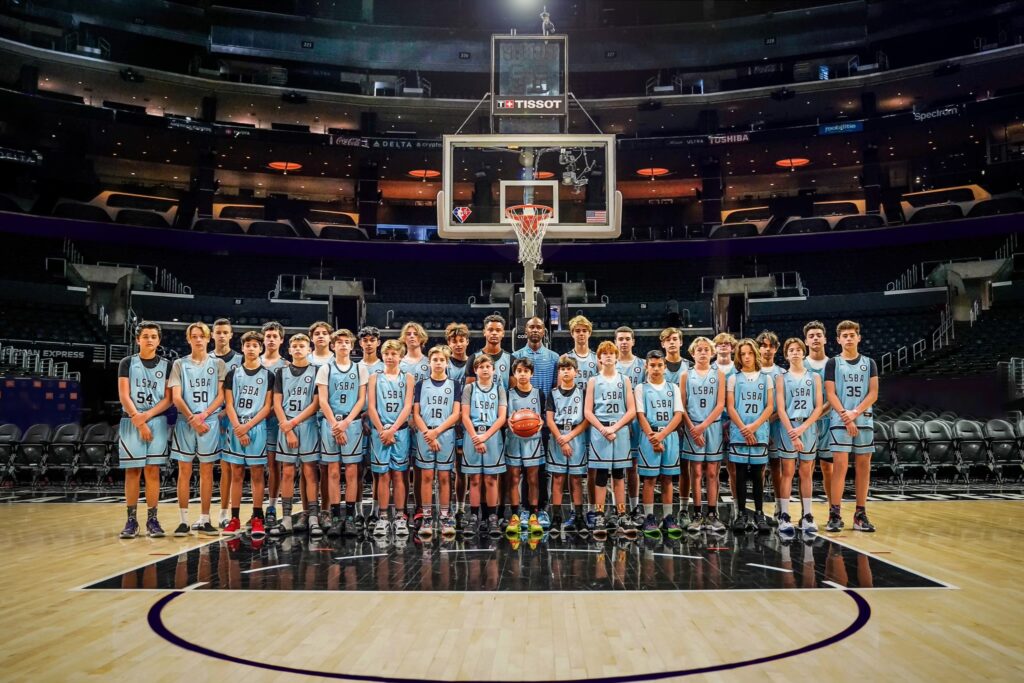
San Diego has no shortage of talented young basketball players. On any weekend, you can walk into a gym in Carmel Valley, Mira Mesa, Chula Vista, La Mesa, or North County and see polished guard play, strong transition offense, and plenty of families investing time and money into club basketball. Skill development gets the headlines. Exposure gets the attention. Winning banners often end up on the website.
What tends to matter more over time, though, is culture.
When families start looking at basketball club teams in San Diego, the first questions usually sound familiar. Who has the best roster? Which team enters the biggest tournaments? Which program sends players to strong high school varsity teams? Those are fair questions, but they are incomplete. A club team can produce points and still leave players with bad habits, poor emotional control, and a warped idea of competition. Another program can push players hard, expect accountability, and still build the kind of sportsmanship that serves them for years.
That distinction matters more than many parents realize at the beginning.
Sportsmanship in club basketball is not soft. It is not a marketing slogan. It is not simply lining up for handshakes after the final buzzer. In strong programs, sportsmanship shows up in how coaches correct mistakes, how players react to foul calls, how parents behave when minutes are uneven, and how a team handles both a 20-point win and a frustrating loss. It also shapes development in practical ways. Players who learn composure tend to absorb coaching faster. Teams that communicate respectfully usually defend better. Athletes who can regulate frustration make better late-game decisions.
San Diego’s basketball environment is competitive enough that these traits are not optional. They are performance advantages.
What sportsmanship looks like in a serious club setting
The phrase gets used so casually that it can lose meaning. In a real basketball environment, sportsmanship is visible, specific, and measurable.
A sportsmanship-first club does not mean a club without intensity. The best versions are often demanding. Coaches expect players to sprint back on defense, box out every possession, speak clearly in huddles, and own mistakes without excuses. The difference is in how standards are enforced. Good coaches do not humiliate players to make a point. They correct with purpose. They teach players to compete with edge, not with disrespect.
You can usually spot the difference in the first fifteen minutes of a practice. In healthy programs, the gym has energy but not chaos. Coaches stop drills to teach, not just to vent. Players know how to listen without shrinking. The older athletes often model the tone for younger ones. There is still noise, still emotion, and sometimes a sharp correction, but it serves learning rather than ego.
Game behavior reveals even more. I have seen very talented club teams melt down because one player missed two shots and another picked up a quick foul. The bench turned negative, parents reacted to officials, and the whole group spiraled. I have also seen less physically gifted teams stay calm, talk through defensive coverages, and quietly grind back from double digits. The second group often wins more than expected. Even when they lose, they leave the court looking organized and mature.
That is sportsmanship in action. It is discipline under stress.
Why San Diego families should pay close attention to club culture
San Diego is a large and varied basketball market. There are neighborhood-based programs, travel-heavy organizations, school-adjacent development groups, elite circuits, and smaller clubs built around a single strong coach. That variety is good for families, but it also makes choosing carefully more important.
Travel basketball in this region can become expensive quickly. Tournament fees, uniforms, training add-ons, gas, hotel stays for out-of-area events, and the sheer time commitment create pressure. Once families invest heavily, they sometimes tolerate behavior they would never accept elsewhere. A coach who screams constantly gets described as “old school.” A team that taunts opponents gets framed as “competitive.” A program that ignores parent misconduct gets labeled “passionate.”
Those labels can hide real problems.
The middle school years are especially important. Players at 11, 12, 13, and 14 are deciding what kind of competitors they want to be. They are also at an age where adult behavior leaves a deep mark. If a club normalizes eye-rolling at referees, showboating after routine plays, or blaming teammates after mistakes, young players absorb that almost immediately. If a program teaches poise, direct communication, and respect for opponents, those habits stick too.
By the high school stage, sportsmanship also affects opportunity. High school coaches, especially in strong basketball communities, talk. So do trainers, tournament directors, and other club coaches. A player known for effort, coachability, and composure tends to earn goodwill. A player with talent but a pattern of poor body language or disrespect often gets a shorter leash.
For families searching “Basketball Club Teams San Diego,” this should be part of the evaluation from day one, not an afterthought once a problem appears.
The best indicators are usually small, not flashy
Many clubs can create a polished first impression. The logo is sharp. Social media highlights look professional. Tournament schedules seem ambitious. Coaches talk confidently about development and exposure. None of that is meaningless, but none of it proves that sportsmanship is embedded in the program.
The real signals are often small and easy to miss if you are focused only on talent level.
Watch what happens when a weaker player struggles in drills. Does the coach teach, or does he move on while the player sinks further? Notice how assistants speak when the head coach is occupied. Programs usually reveal their true culture through the second voice in the gym, not the main one. Pay attention to the bench during rough stretches. Are players engaged, talking through the game, and supporting each other, or are they slumped over waiting for a star teammate to fix everything?
One of the most telling moments comes after a questionable call. Every coach disagrees with officials sometimes. That is normal. The question is whether disagreement becomes theater. A club that values sportsmanship will advocate for players without turning the game into a performance of outrage. Players learn from that restraint. They also stay mentally available for the next possession.
Another useful sign is how the program handles playing time conversations. No club can promise equal minutes in every competitive setting, especially at older ages. But strong programs communicate roles honestly. They do not use confusion as a management strategy. They do not pit families against one another. Sportsmanship includes fairness, and fairness includes clear expectations.
What parents should ask before committing
A tryout can be misleading because everyone is on their best behavior. The smarter move is to ask direct questions and listen carefully to how the program responds. Evasive answers often tell you more than polished ones.
- How do you handle technical fouls, disrespect toward officials, or poor bench behavior?
- What standards do you set for parent conduct at games?
- How do you teach players to respond after mistakes or reduced minutes?
- What does development look like for non-star players on the roster?
- Can we watch a practice before making a decision?
A coach who truly cares about sportsmanship usually answers these questions without defensiveness. You will hear specifics. Maybe the program has a parent code of conduct. Maybe players who disrespect officials sit, regardless of talent. Maybe coaches hold post-game film sessions that focus on body language as much as execution. Concrete answers suggest real standards. Vague phrases about “wanting good kids” usually are not enough.
Coaches set the emotional ceiling
In youth and club basketball, players rarely rise above the emotional standards of the adults leading them. Talent may cover up that truth for a while, but not forever.
I have watched excellent youth coaches in San Diego lose games they should have won because their sideline energy made players tight and reactive. Every turnover triggered visible frustration. Every missed rotation became a public indictment. By the fourth quarter, players were afraid to make mistakes, which guaranteed more mistakes. That environment may produce short bursts of compliance, but it does not build strong competitors.
The coaches who create lasting programs tend to be demanding in a steadier way. They correct footwork, spacing, and shot selection relentlessly. They expect communication on defense. They call out selfish possessions. Yet their players still look free enough to think and play. Those teams usually handle adversity better because the adults in charge do not make adversity feel catastrophic.
That matters in a city like San Diego, where many club players are balancing school, other sports, family schedules, and the social pressures that come with adolescence. A club team should stretch a player, not drain one unnecessarily. High standards and sportsmanship can coexist very comfortably. In fact, they often depend on each other.
The parent sideline matters more than most clubs admit
Some organizations speak often about player character but say almost nothing about adult behavior in the stands. That is a mistake.
Parent culture can strengthen or sabotage a team. One loud sideline critic can shift the tone of an entire gym. Constant second-guessing teaches players to look outward for blame. Public complaints about minutes or officiating create factions. Even when the athletes seem unaffected in the moment, they hear more than adults think.
The strongest basketball club teams in San Diego tend to address this early. They make it clear that cheering is welcome and coaching from the stands is not. They discourage confrontations with officials. They set boundaries around social media and group text drama. Most importantly, they enforce those standards consistently. A rule that applies only when a family lacks influence is not a rule at all.
There is also a practical reason to care. College coaches may not be watching most youth events, but high school coaches and local basketball people are often around. Reputation spreads quietly. A family known for respecting the game makes every future interaction easier. A family known for sideline chaos often finds doors a bit less open.
Development and sportsmanship are not competing priorities
Some parents worry that a strong emphasis on sportsmanship means a lower level of basketball seriousness. In my experience, the opposite is usually true. Programs with mature cultures often produce better on-court habits because players learn to process feedback, stay connected, and compete possession to possession.
Take defense. Team defense requires communication, trust, and quick recovery after mistakes. A player who hangs his head after getting beat off the dribble gives up two possessions instead of one. A teammate who throws his hands up in blame weakens the whole shell. A sportsmanship-based culture, if it is real, teaches immediate response. Sprint back. Talk early. Fix it on the next trip. Those habits win games.
The same applies to offense. Ball movement dies on selfish teams. So does spacing. Players who respect teammates tend to make cleaner reads and accept the extra pass. They may still want shots, as they should, but they understand context. This is one reason disciplined teams often look more skilled than they actually are. Their habits create efficiency.
For younger age groups, the connection is even stronger. Players improve fastest in environments where mistakes are corrected without embarrassment. Fear narrows attention. Good teaching expands it. When coaches can challenge a player hard while preserving confidence, skill growth accelerates.
Warning signs that deserve real weight
Families sometimes talk themselves out of what they clearly saw. That is understandable, especially when a program has status or when a child really wants to join friends. Still, certain signs deserve serious concern.
- Coaches use sarcasm or public humiliation as a teaching tool.
- Players celebrate opponents’ mistakes more than their own execution.
- Parents regularly argue with referees or other families.
- Star players are allowed to ignore standards that others must follow.
- Losses are blamed on officials, minutes, or politics instead of performance.
None of these issues are minor if they happen repeatedly. Every club can have a bad weekend. Every coach can lose patience once. The problem is a pattern. Patterns become culture, and culture shapes players faster than skill sessions do.
Age and level change how sportsmanship should be taught
One common mistake is assuming the same approach works across every age group. It does not.
At the elementary and early middle school levels, sportsmanship should be explicit. Coaches need to teach it the same way they teach pivoting or help defense. That may mean rehearsing how to respond to a foul call, how to greet opponents, or how to stay engaged on the bench. Younger players benefit from direct language and visible routines.
By the later middle school and high school years, players need more ownership. A good club coach starts expecting athletes to regulate themselves and hold one another accountable. This might look like captains setting the bench tone, older players leading post-game talks, or team standards being reinforced peer to peer instead of only adult to player. When done well, that transition is powerful. Players stop performing sportsmanship because an adult told them to and start valuing it because it helps the group function.
Competitive level matters too. Elite travel teams often face more pressure, tougher schedules, and sharper roster tension. That environment can either sharpen character or expose cracks. If a club claims it has to sacrifice sportsmanship to compete at a high level, that is usually a sign of weak leadership, not serious basketball.
San Diego’s basketball landscape creates specific challenges
The geography of the county affects club experience more than outsiders might think. Families may drive long distances for practices. Players from different schools and neighborhoods may come together with very different expectations. Tournament weekends can mean long days, cramped schedules, and emotionally charged games in packed gyms. All of that tests a team’s values.
There is also the influence of year-round specialization. Some athletes in San Diego play basketball nearly nonstop, moving from school season to club ball to private training with little break. That can sharpen skill, but it can also fray patience and perspective. Burned-out players often show it first through attitude. A good club recognizes when a player needs a reset, not just more reps.
Cross-border tournament play and regional travel can add another layer. Different events have different officiating styles, facility standards, and competitive tones. Teams with strong sportsmanship adapt more easily because https://simonwvln557.rivetgarden.com/posts/how-coaches-shape-success-in-basketball-club-teams-san-diego they do not need perfect conditions to behave well. They know how to stay steady when the gym is hot, the schedule is late, or the whistle is inconsistent.
How to evaluate a club beyond one tryout
Choosing a team should feel closer to selecting a school or mentor than buying a product. One workout is rarely enough to judge the fit.
If possible, watch a game where the team is losing. Anyone can appear composed while leading by fifteen. Pressure reveals more. Notice whether the coach is still teaching, whether players remain connected, and whether the bench stays involved. Listen for how adults communicate during dead balls. Tone matters.
Talk to families who are no longer with the program, not only those currently enrolled. Current families may be genuinely happy, but they are also invested. Former families often give clearer context, especially about communication, role clarity, and how conflict was handled.
It also helps to ask about retention. If a club turns over most of its roster every year, there may be reasons beyond normal movement. Sometimes turnover reflects ambition and players moving up levels. Sometimes it reflects instability, favoritism, or culture problems. You need the story behind the number.
For serious players, ask how the program supports high school goals without promising outcomes it cannot control. A trustworthy club will discuss development, competition, and fit. It will not sell fantasies. Sportsmanship includes honesty in recruiting families.
What a healthy club experience usually feels like
Parents often know in their gut when a team is right, but they need permission to trust that feeling. A healthy club experience does not mean every car ride home is cheerful or that every athlete is happy with minutes. Competitive basketball is emotional. Friction is part of growth.
What healthy usually feels like is steady. Your child may be challenged, tired, and occasionally frustrated, yet still eager to go back. Feedback is direct but not demeaning. Team standards are clear. Wins feel earned rather than theatrical. Losses sting, but they do not unravel the group. Over time, your player becomes more resilient, more coachable, and more respectful without losing competitive fire.
That is the sweet spot many families are actually searching for, even if they begin by asking only about schedule and skill level.
In the San Diego club scene, there are absolutely programs that care about this. You may find them in larger organizations with deep infrastructure, or in smaller clubs where one excellent coach has built a reputation the right way. The size of the program matters less than the consistency of its standards. A modest team with strong leadership can offer a better developmental environment than a high-profile team with a weak culture.
For families exploring basketball club teams in San Diego, sportsmanship should not sit at the bottom of the checklist. It should shape the entire search. The right club teaches players how to compete fiercely, accept coaching, respect the game, and carry themselves well when the score gets messy. Those lessons survive long after youth tournament results are forgotten.
And in basketball, as in most things worth learning, how a player competes ends up mattering almost as much as how well.
Lamont Smith Basketball Academy
888 Clairemont Mesa Blvd Suite T-2, San Diego, CA 92123
(619) 639-8778
FAQ About Basketball Club Teams San Diego
How can a player join an LSBA club team?
Players are evaluated during practices so the coaching staff can recommend an appropriate team and development level. Families should contact the academy to confirm current openings and evaluation details.
Are club teams available for newer basketball players?
Yes. LSBA describes multiple levels, including a developmental option for newer players as well as more competitive teams for athletes with prior club experience.
What do LSBA club team practices emphasize?
Practices emphasize basketball fundamentals, team defense, structure, communication, and player development. The specific focus may vary according to the team and experience level.
Do all LSBA teams travel?
Travel expectations vary by level. Some teams focus on local competition, while advanced teams may participate in tournaments elsewhere in Southern California or beyond. Families should confirm the current schedule before enrolling.